A skid steer trencher earns its reputation on jobsites where speed, precision, and access all matter at once. It turns the demanding work of cutting clean underground channels into a controlled, repeatable operation, but its performance is never the result of a single feature. Several factors work together, from the size of the machine to the power feeding the cutting chain, and understanding how they connect helps you get dependable results on every run.
This guide breaks down five factors that shape how well a skid steer trencher performs. You will see how compact design opens up access, how hydraulic flow drives the cut, why the cutting chain and teeth matter, how traction supports steady progress, and how all of these elements come together to match the machine to the job. By the end, you will know what to weigh when you want trenching that stays fast, clean, and reliable.
Compact Design for Tight Jobsites
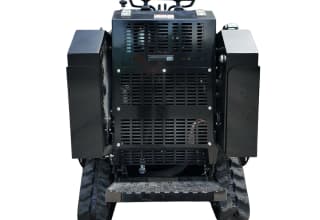
A skid steer trencher's compact footprint is one of its most practical advantages, because it allows the machine to work in areas where larger excavation equipment often has limited or no access. Many trenching jobs happen in spaces that leave little room to maneuver, and the ability to fit into those spaces determines whether the work gets done efficiently or turns into a struggle. Residential lots, established landscapes, and sites hemmed in by buildings, fences, and existing utilities all place real constraints on machine size. A trencher built on a compact platform moves confidently through these areas and reaches work that bigger machines simply cannot perform without significant disruption to the surrounding ground.
Narrow access paths and confined work zones make machine size an especially important consideration during planning. Before a project begins, it pays to measure the gates, paths, and gaps the machine will need to pass through, then compare those measurements against the trencher's dimensions. A machine that is too wide cannot reach the trench route at all, while one sized correctly slips into position and starts cutting without delay. This is where a compact design proves its value, since it removes the frustration of forcing an oversized machine through spaces it was never meant to handle.
The benefits of a compact footprint extend beyond simply fitting into tight areas:
Access to confined spaces where larger excavators cannot reach, opening up work that would otherwise be difficult
Reduced disruption to lawns, beds, and finished surfaces, since a smaller machine disturbs less of the surrounding site
Easier positioning along the trench route, allowing the operator to follow planned paths with precision
When the machine fits the space, trenching stays efficient from start to finish. A compact skid steer trencher lets crews take on jobs in constrained environments with confidence, keeping the work moving and protecting the areas around the trench throughout the day.
Hydraulic Flow Drives the Trencher
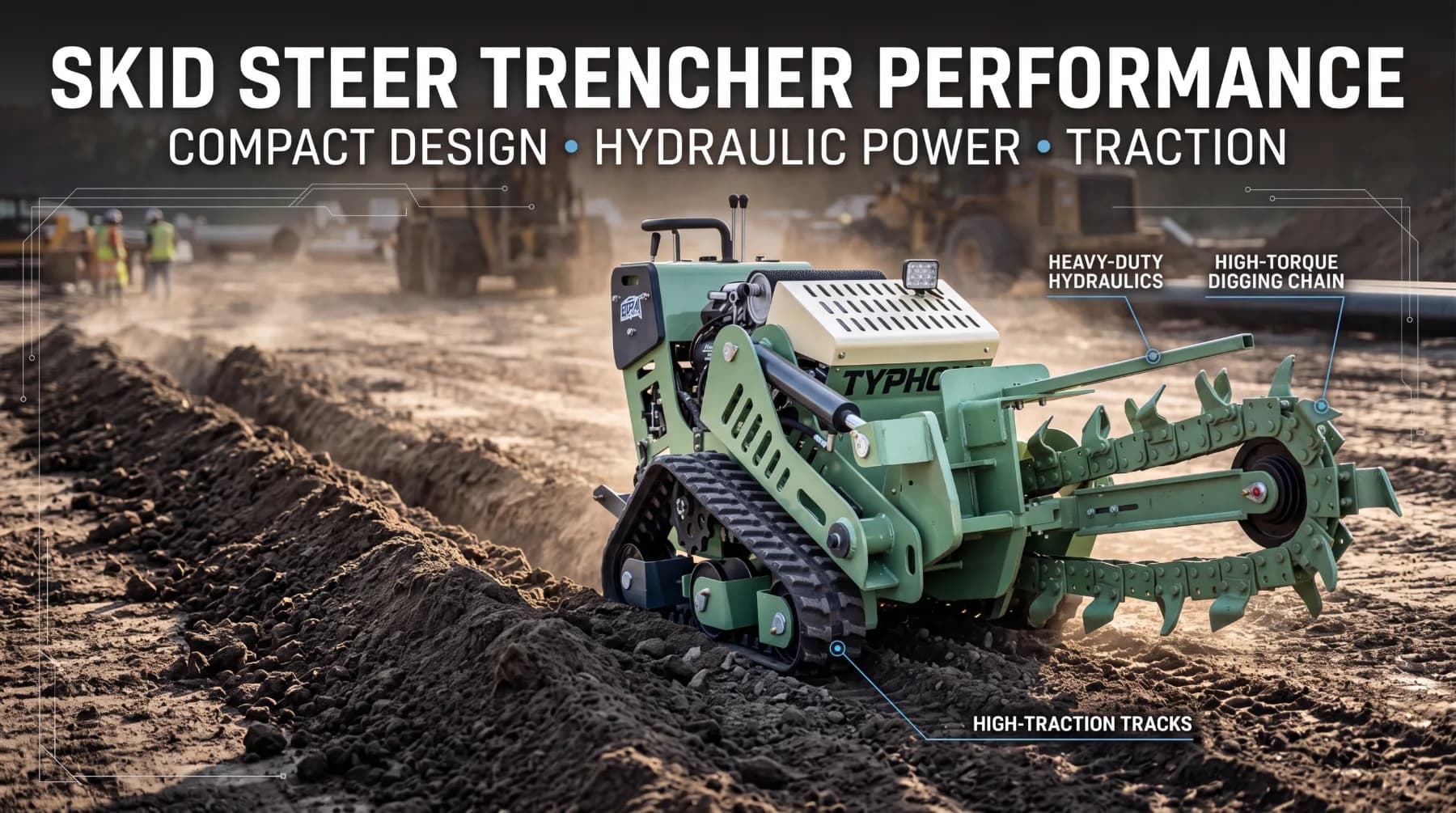
The hydraulic system is the engine behind a skid steer trencher's cutting action, supplying the power that turns the chain against the ground. The trencher attachment does not generate its own power. Instead, it draws from the host machine's hydraulics, which means the quality of the cut depends heavily on how well that power is delivered. When the hydraulic flow and pressure match the trencher's requirements, the machine cuts steadily and predictably, breaking through soil at a productive pace. When they fall short, performance suffers no matter how capable the rest of the machine may be.
Flow and pressure play distinct but connected roles in cutting performance. Flow, usually measured in gallons or liters per minute, governs the speed and continuity of the cutting chain, keeping it turning at a rate that clears material efficiently from the trench. Pressure supplies the force the chain needs to break through resistance when the ground gets dense, compacted, or rocky. Together they determine whether the trencher powers through tough stretches or bogs down under load. A machine matched with sufficient flow and pressure holds its pace across varied soil, which keeps trenching cycles consistent and the schedule on track.
Problems appear quickly when the hydraulic supply does not align with what the trencher needs. Insufficient flow slows the chain and reduces how quickly material clears the trench, while inadequate pressure leaves the machine straining against harder ground rather than cutting cleanly through it. Both conditions drag out the work and can add unnecessary wear over time. This is why confirming that the skid steer's hydraulic output aligns with the attachment's requirements is so important before the work begins. Checking the trencher's rated flow range against the machine's auxiliary output, and confirming that output holds steady under real working conditions, ensures the two components work together as intended. When the power source and the attachment are properly matched, the trencher delivers the steady, dependable cutting performance a demanding jobsite requires.
Cutting Chain and Teeth Matter
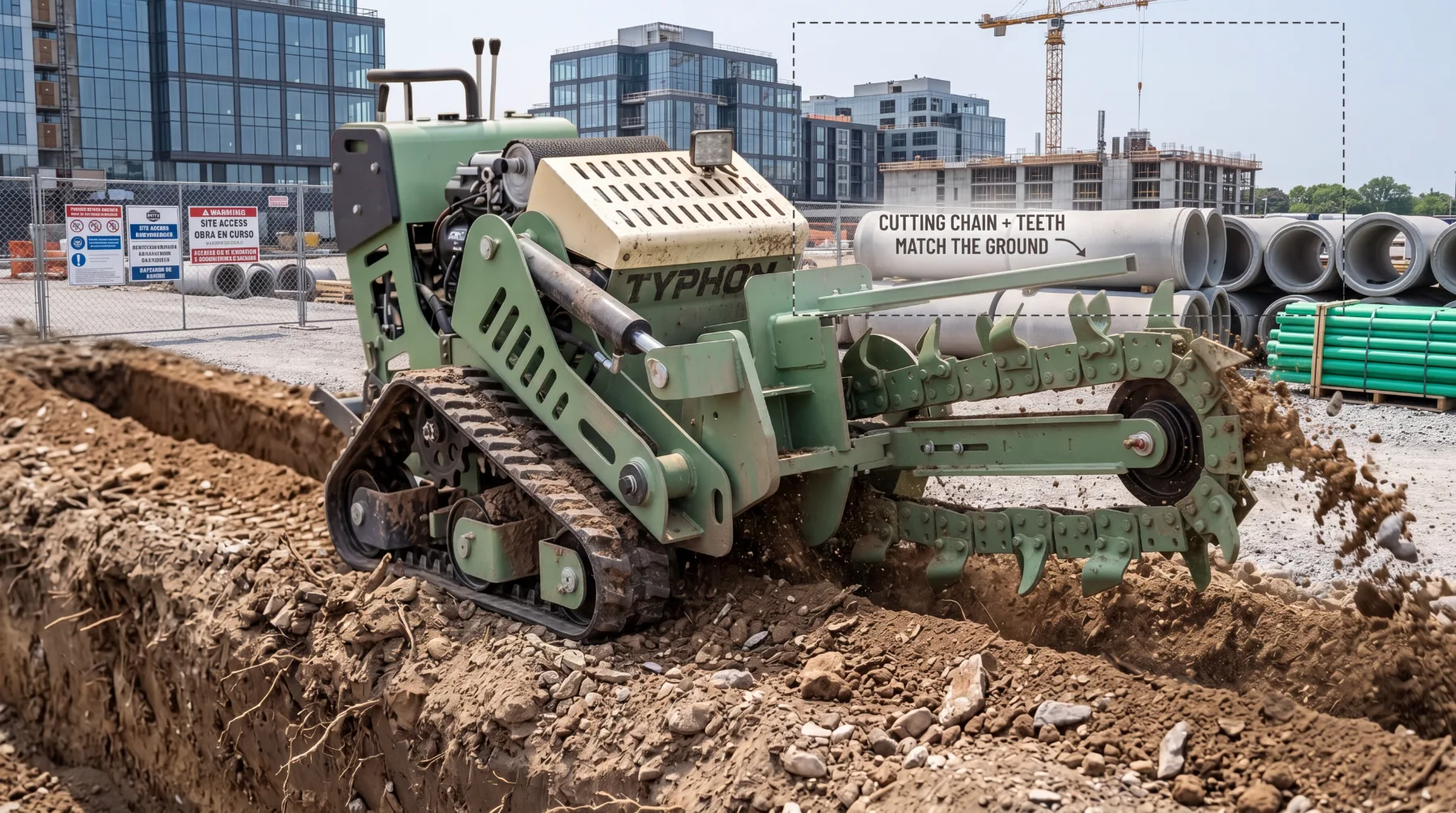
The cutting chain and the arrangement of its teeth determine how effectively a trencher breaks through the ground beneath it, making this one of the most important factors in overall performance. Soil is rarely uniform across a site, and conditions range from soft loam and sandy fill to dense clay, compacted earth, and rocky ground laced with roots and debris. The way the chain is built and how its teeth are configured decide how well the machine handles each of these conditions. A setup matched to the material fractures the soil cleanly and keeps the chain moving at a productive rate, while a poorly matched configuration slows the cut and produces uneven results.
Selecting the appropriate chain and tooth setup is what helps maintain a consistent trench profile from start to finish. When the configuration fits the conditions, the chain carries material out of the trench efficiently, holds a steady cutting speed, and produces uniform trench walls along the entire run. That consistency is what allows an operator to complete a trench in one controlled pass instead of fighting the machine through difficult stretches. It also means the finished channel is ready for the pipe or cable right away, with less reshaping and cleanup required before the line drops into place.
The cost of the wrong configuration shows itself quickly on the job. A chain and tooth arrangement poorly suited to hard or rocky ground can slow the cut dramatically, wear the teeth prematurely, and leave a ragged, inconsistent trench that needs additional work. Sites where conditions shift across a single run make this even more important, since the configuration has to hold up as the ground changes underfoot. Choosing a chain and tooth setup suited to the soil you expect to encounter protects both the pace of the work and the quality of the trench. Thinking through your typical ground conditions before selecting a configuration is a straightforward step that keeps the trencher cutting reliably and delivers the consistent profile your installation depends on.
Traction Supports Cutting Performance
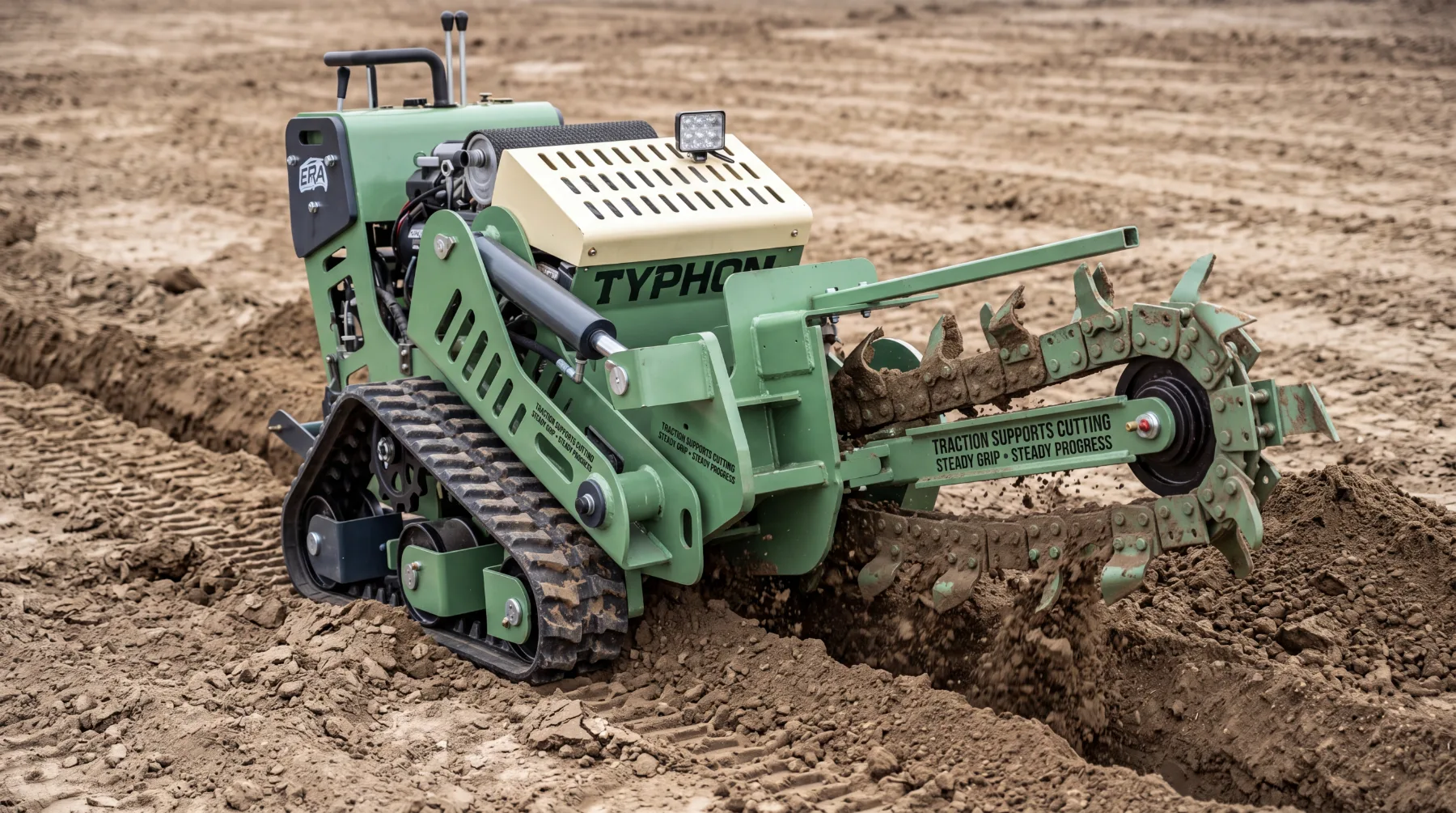
Cutting power alone does not complete a trench. As the trencher works, the skid steer must also move forward at a controlled, steady pace, and that forward progress depends on traction supplied by the machine's drive system. The relationship between cutting and movement is what produces a clean, continuous trench. If the chain cuts well but the machine cannot advance smoothly, the trench profile suffers, and the operator ends up fighting for consistent progress rather than letting the machine settle into a productive rhythm.
Good traction becomes particularly important when working in loose, uneven, or otherwise challenging ground. On firm, level surfaces, maintaining forward movement asks relatively little of the drive system. Conditions change considerably on soft soil, muddy areas, or rough terrain, where a machine that cannot grip the ground will spin, slip, or stall. When traction falls short in these situations, the trencher struggles to hold a steady pace, which can lead to an inconsistent trench and wasted time as the operator works to keep the machine moving. Reliable traction keeps the machine advancing at a controlled rate that matches the cutting action, so the two stay in balance across the full length of the run.
This is one reason tracked and wheeled configurations suit different conditions. Tracked machines distribute their weight across a larger surface area, which gives them stronger grip and stability on soft or uneven ground where wheels might slip. Wheeled machines perform well on firmer, more stable surfaces where speed and easier movement are priorities. Matching the drive configuration to the ground you expect to work on helps ensure the machine maintains the traction it needs. When the drive system delivers dependable traction, the trencher advances steadily while the chain cuts, producing a uniform trench without the interruptions that come from a machine losing its footing. That steady coordination between cutting and forward movement is a key part of what makes trenching efficient and the finished channel consistent.
Matching Performance to the Job
Trenching performance depends on far more than hydraulic power alone, and understanding this is what separates a machine that merely runs from one that performs. Several factors work together to determine how effectively a skid steer trencher handles a given job, and no single specification tells the whole story. Machine size, hydraulic specifications, cutting depth, trench width, soil conditions, and operating technique all combine to shape the result. When these elements align with the demands of the work, the trencher cuts cleanly and efficiently. When they do not, even a powerful machine can fall short of what the job requires.
Getting this match right starts with a clear understanding of the work ahead. Consider the factors that define your project and how they fit together:
Machine size, which determines whether the trencher can access and maneuver within the jobsite
Hydraulic specifications, meaning the flow and pressure available to drive the cutting chain
Cutting depth and trench width, which must suit the lines being installed and the depth they need to reach
Soil conditions, which influence the chain and tooth configuration and the traction the machine needs
Operating technique, since a skilled operator maintains a steady pace and follows the planned route accurately
Each of these factors reinforces the others. A project running deep trenches through rocky ground places heavy demands on hydraulic power, cutting depth, and chain configuration, while a job installing shallow lines across a finished landscape may prioritize compact size, maneuverability, and precision. Soil conditions influence nearly every other choice, and operating technique ties the whole operation together by keeping the machine working within its capabilities. Matching the trencher and its setup to these real conditions is the surest way to keep trenching fast, clean, and dependable. When you weigh size, hydraulics, trench dimensions, ground conditions, and technique as a connected whole, the machine performs the way the job demands, delivering consistent results you can rely on.
Conclusion
A skid steer trencher's performance comes from the way its features work together rather than from any one specification. A compact design opens up access to tight jobsites, hydraulic flow and pressure drive the cutting chain, and the right chain and tooth configuration keeps the trench profile consistent through varied soil. Traction from the drive system supports steady forward progress, and matching all of these elements to the specific demands of the job pulls them into a machine that trenches efficiently and reliably. Understanding how these factors connect gives you the confidence to select and operate equipment that meets the real conditions of your work. Assess your jobsite constraints, hydraulic requirements, trench dimensions, and soil conditions before you begin, and the trencher will reward that preparation with clean, dependable results run after run.
Frequently Asked Questions
1. Why does the compact size of a skid steer trencher matter so much?
Compact size matters because many trenching jobs happen in confined spaces where larger excavation equipment cannot reach. Residential lots, established landscapes, and sites surrounded by buildings, fences, and existing utilities all limit how much room a machine has to work. A skid steer trencher's compact footprint lets it fit into these tight areas and follow the trench route without the significant disruption a bigger machine would cause. Before starting a project, it helps to measure the gates, paths, and gaps the machine must pass through and compare them against the trencher's dimensions, since a machine that is too wide cannot reach the work at all. A correctly sized machine slips into position and starts cutting without delay. Beyond access, a compact design disturbs less of the surrounding site, protecting lawns, beds, and finished surfaces, and it makes positioning along the trench route easier so the operator can follow planned paths with precision. When the machine fits the space, trenching stays efficient from start to finish.
2. How does hydraulic flow affect trenching performance?
Hydraulic flow is central to trenching performance because the trencher attachment draws its power from the host machine's hydraulic system rather than generating its own. Flow, usually measured in gallons or liters per minute, governs the speed and continuity of the cutting chain, keeping it turning at a rate that clears material efficiently from the trench. Pressure works alongside flow to supply the force the chain needs to break through dense, compacted, or rocky ground. When flow and pressure match the trencher's requirements, the machine cuts steadily and holds its pace across varied soil, keeping trenching cycles consistent. Problems appear when the supply falls short. Insufficient flow slows the chain and reduces how quickly material clears the trench, while inadequate pressure leaves the machine straining against harder ground instead of cutting cleanly through it. Both conditions drag out the work and can add wear over time. Confirming that the skid steer's hydraulic output matches the attachment's rated requirements, and holds steady under real working conditions, ensures the two components deliver dependable cutting performance together.
3. Why is the cutting chain and tooth configuration important?
The cutting chain and tooth configuration determine how effectively the trencher breaks through the ground, which directly affects both the pace of the cut and the quality of the finished trench. Soil varies widely across sites, from soft loam and sandy fill to dense clay, compacted earth, and rocky ground with roots and debris. A configuration matched to the material fractures the soil cleanly, keeps the chain moving at a productive rate, and carries material out of the trench efficiently, producing uniform walls along the entire run. This consistency lets an operator complete a trench in one controlled pass and leaves a channel ready for the pipe or cable right away, with minimal reshaping. The wrong configuration shows its cost quickly, slowing the cut in hard or rocky ground, wearing the teeth prematurely, and leaving a ragged, inconsistent trench that needs extra work. Sites where conditions shift across a single run make this even more important, since the setup must hold up as the ground changes. Choosing a chain and tooth arrangement suited to your expected soil protects both the pace of the work and the consistency of the trench profile.
4. How does traction influence how well a trencher cuts?
Traction influences trenching because cutting power alone does not complete a trench. As the chain cuts, the skid steer must also advance at a controlled, steady pace, and that forward movement depends on traction from the drive system. When cutting and movement stay in balance, the machine produces a clean, continuous trench. If the chain cuts well but the machine cannot move smoothly, the trench profile suffers and the operator fights for consistent progress. Traction becomes especially important on loose, uneven, or challenging ground. On firm, level surfaces, maintaining forward movement asks little of the drive system, but soft soil, mud, and rough terrain can cause a machine to spin, slip, or stall if it cannot grip the ground. This is one reason tracked and wheeled configurations suit different conditions. Tracked machines spread their weight across a larger surface for stronger grip on soft or uneven ground, while wheeled machines perform well on firmer surfaces where speed matters. Matching the drive configuration to the ground helps the machine advance steadily while the chain cuts, producing a uniform trench without interruptions.
5. What factors should I consider to match a trencher to my job?
Matching a trencher to the job means looking at several connected factors rather than focusing on hydraulic power alone. Machine size determines whether the trencher can access and maneuver within your jobsite, which is critical in confined spaces. Hydraulic specifications, meaning the flow and pressure available, drive the cutting chain and must meet the attachment's requirements. Cutting depth and trench width need to suit the lines being installed and the depth they must reach. Soil conditions influence both the chain and tooth configuration and the traction the machine needs to maintain steady progress. Operating technique ties everything together, since a skilled operator holds a steady pace and follows the planned route accurately. These factors reinforce one another. A project running deep trenches through rocky ground demands strong hydraulic power, adequate cutting depth, and a durable chain configuration, while shallow lines across a finished landscape may prioritize compact size and precision. Weighing size, hydraulics, trench dimensions, soil conditions, and technique as a connected whole is the surest way to keep trenching fast, clean, and dependable.