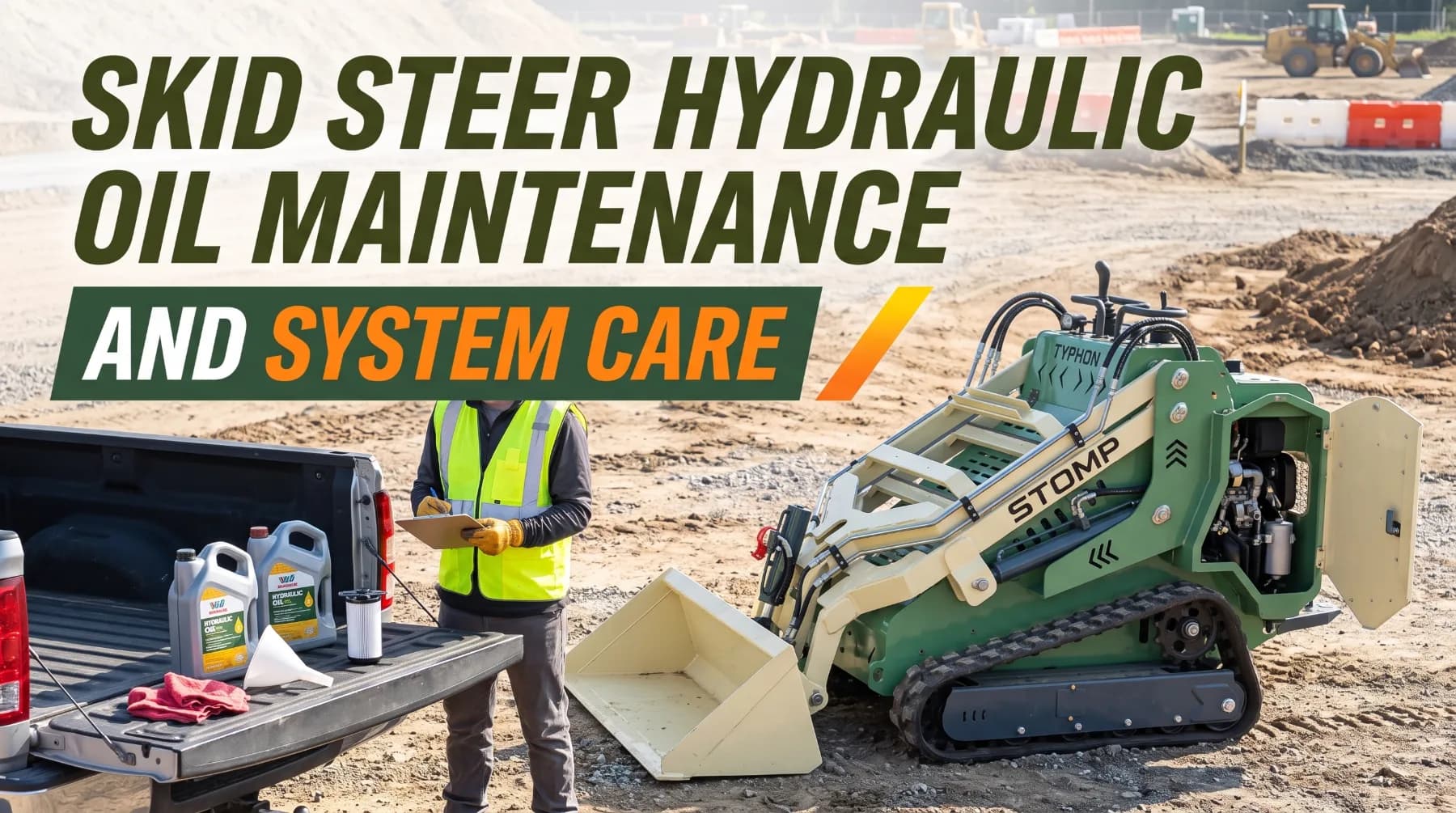
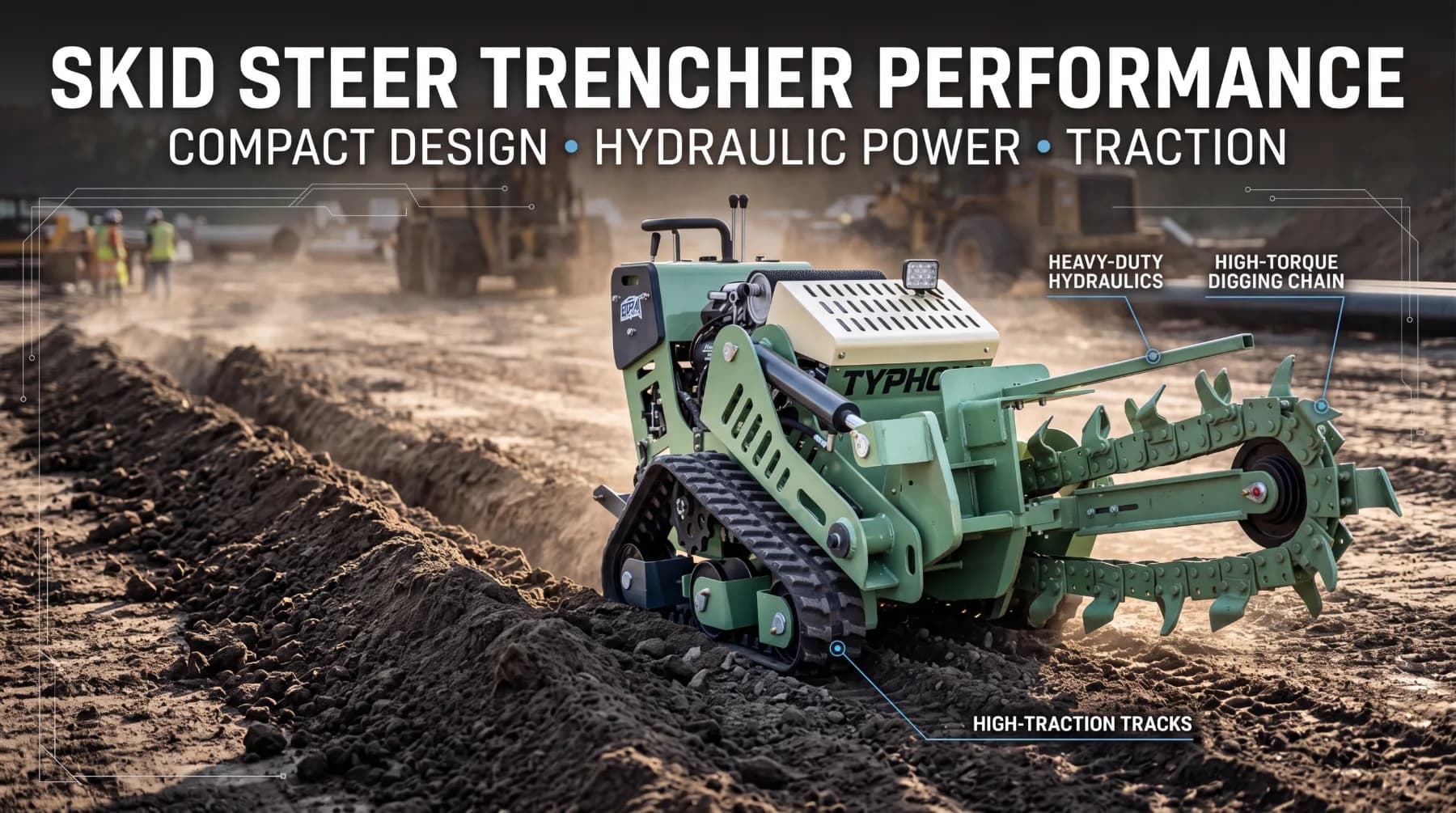
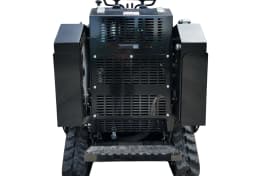
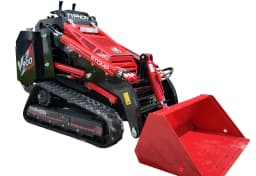
Heavy attachment use can place continuous demands on a skid steer's hydraulic system, especially when the machine switches between bucket work and high-flow attachments throughout the day.
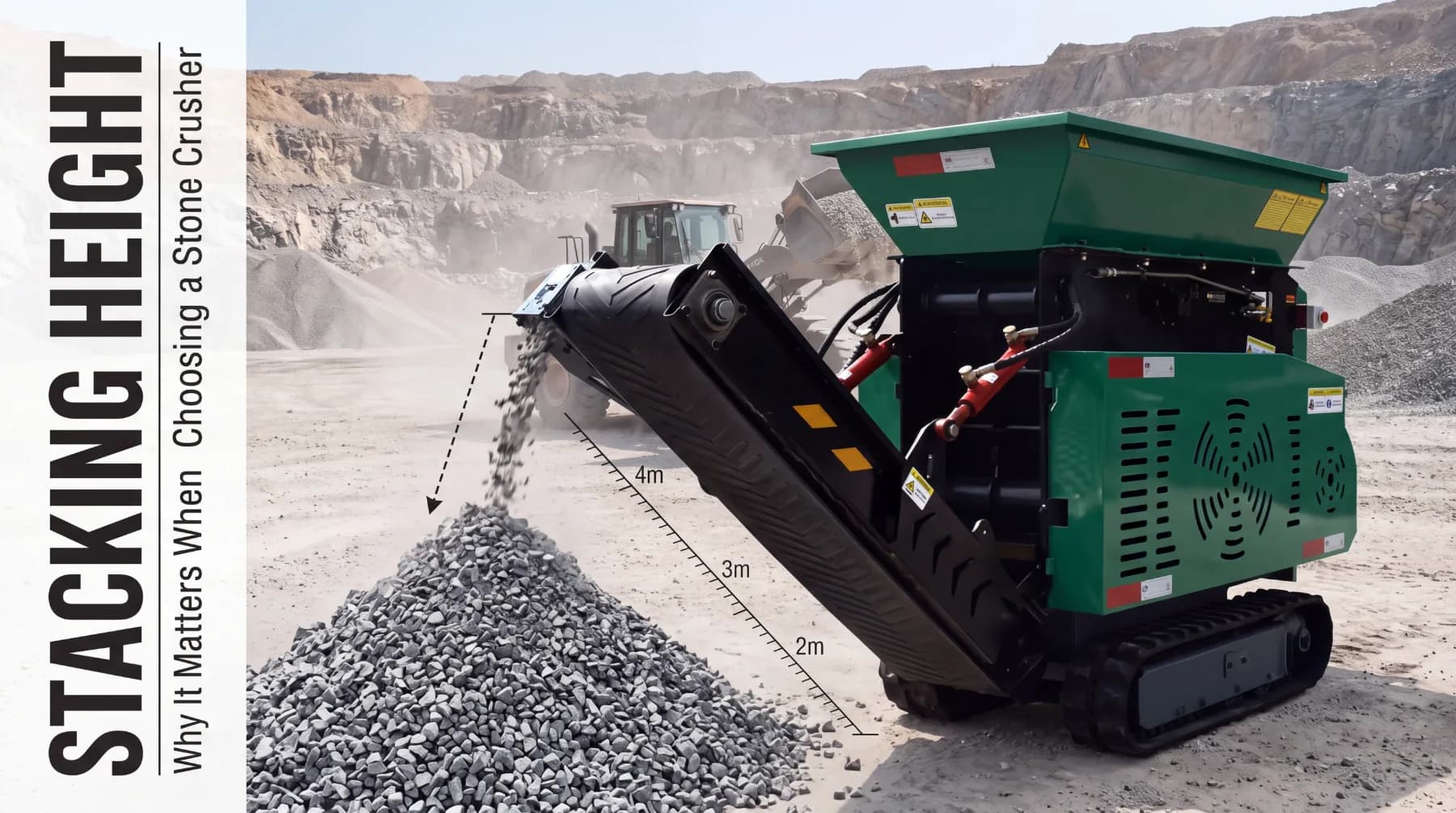
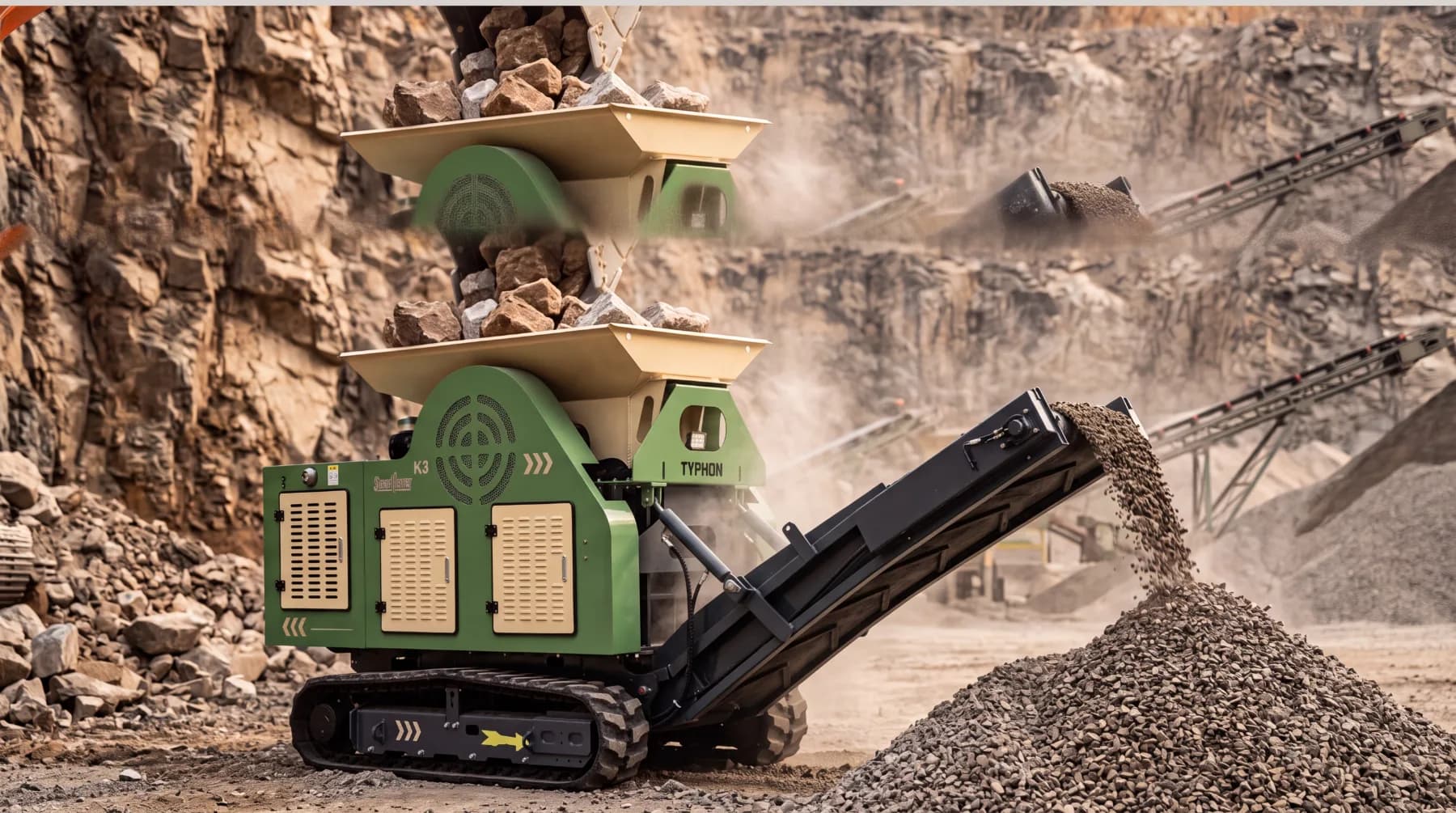
The height at which a crusher discharges finished product determines how much material you can store, how often you must move piles, how easily your loaders reach the product, and how safe your working area stays throughout the day.
This guide walks through the full journey from rock to aggregate, breaking down the five stages that define the process. You will see how material is fed, fractured, sized, screened, and finished, and how each stage shapes the quality of what comes out the other end.
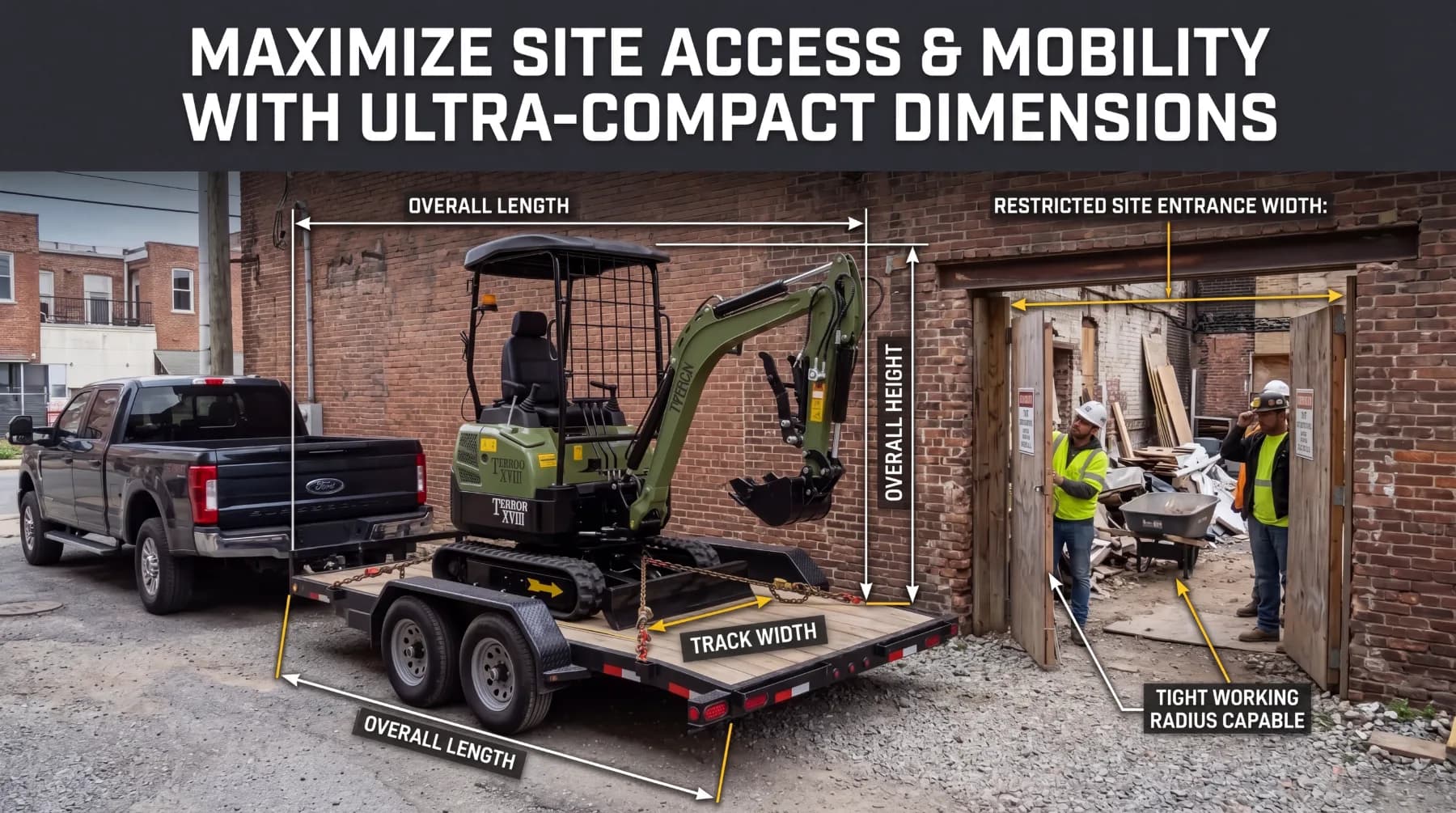
An excavator's specifications list far more than horsepower and bucket size. The machine's physical dimensions shape everything from how you haul it to the job to whether it can even fit through the gate once it arrives. Get those dimensions wrong for your site, and you face delays, blocked access, and costly transport headaches.