Every smooth, steady lift a scissor lift performs depends on a network of hydraulic hoses working quietly behind the scenes. These hoses carry the pressurized fluid that raises the platform and holds it in place. When they stay in good condition, the machine lifts dependably. When they crack, leak, or fail, performance suffers and safety is put at risk. Understanding how hose condition shapes reliability helps you keep your scissor lift working safely and productively. This guide covers how hoses support lifting, why cracks and abrasion matter, how leaks reduce performance, the safety stakes, and when to inspect or replace.
How Hydraulic Hoses Support Reliable Lifting
Hydraulic hoses are the arteries of a scissor lift's lifting system, carrying pressurized fluid between the pump, the control valves, and the lifting cylinders. The pump pressurizes the hydraulic fluid, the valves direct where it goes, and the cylinders convert that pressure into the force that raises the platform. The hoses connect these components, delivering the fluid where it needs to go at the pressure the system requires. Without hoses in good condition carrying that fluid reliably, none of the other components can do their jobs.
Because the hoses form the link between every part of the system, their condition directly affects how consistently the scissor mechanism raises and lowers the platform. When the hoses are sound and sealed, fluid moves through them at full pressure and flow, so the cylinders receive exactly what they need to lift smoothly. The platform rises steadily, holds its position, and lowers under control. That consistency is what operators depend on, whether they are lifting a single worker to a modest height or a full load to full extension.
Consider what healthy hoses make possible on a working machine:
- Consistent pressure delivery to the cylinders for smooth, predictable lifting.
- Full fluid flow so the platform rises and lowers at the intended speed.
- Reliable position holding when the platform must stay steady at height.
When hoses carry fluid without restriction or leakage, the whole lifting system performs as designed. This is the foundation of a dependable scissor lift. A machine whose hoses are in good condition responds the same way every time the operator uses the controls, which is exactly what safe, productive work at height requires day after day.
Why Hose Cracks and Abrasion Matter
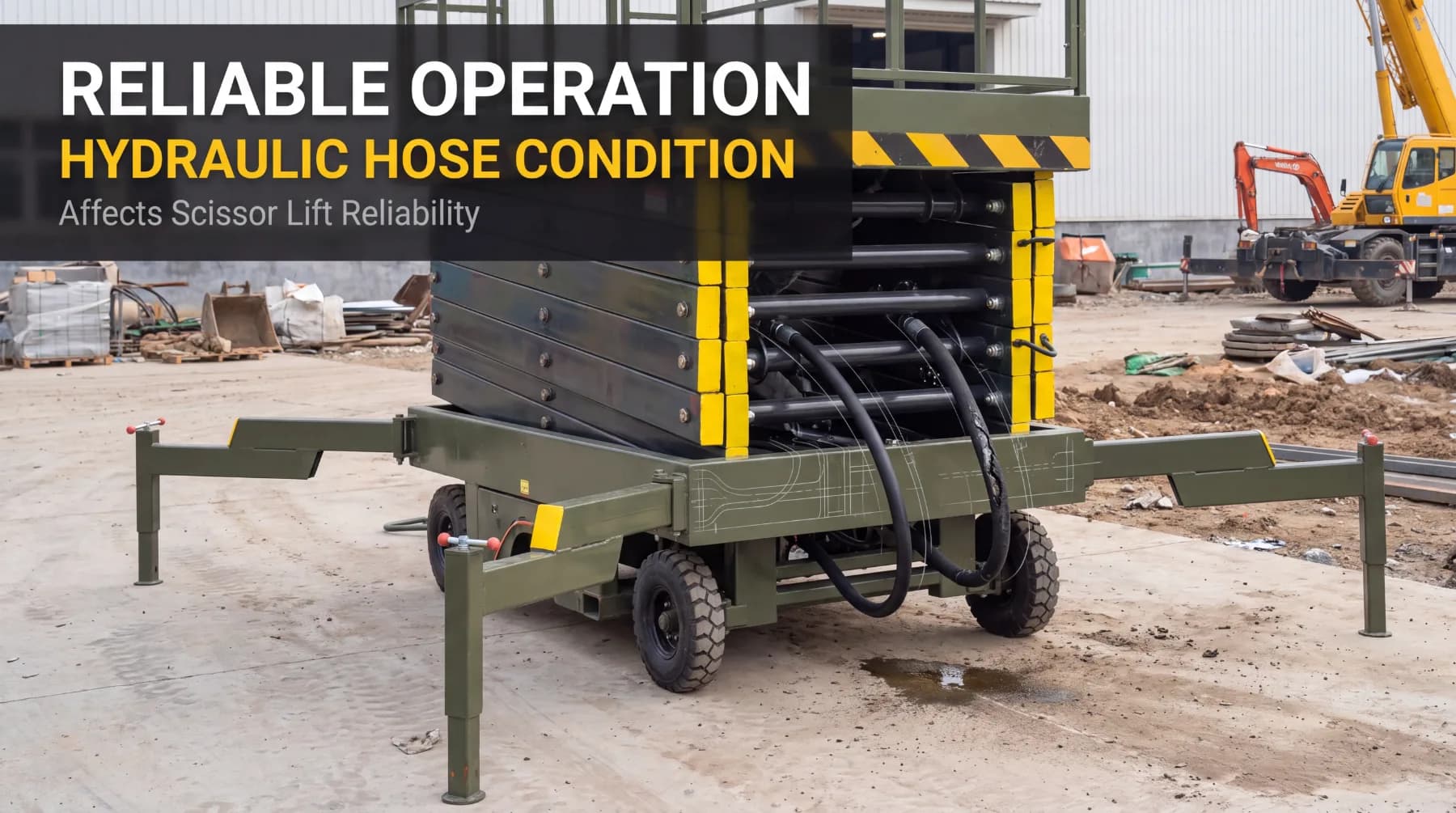
Hydraulic hoses live a demanding life, flexing with every lift and exposed to the wear of daily operation. Over time, this takes a toll on the hose material. Cracks, cuts, abrasion, and damaged outer layers all weaken a hose and increase the risk of hydraulic leaks or outright failure. What starts as a small mark on the surface can develop into a serious problem if it goes unnoticed, which is why the condition of the hose exterior deserves close attention.
The outer layer of a hydraulic hose protects the reinforcement and inner tube that actually contain the pressurized fluid. When abrasion wears through that outer cover, or when cracks and cuts breach it, the layers beneath become exposed and vulnerable. A hose carrying high-pressure fluid depends on all its layers working together, so any damage that compromises them reduces the hose's ability to hold pressure safely.
Watch for these common forms of deterioration:
- Cracks in the outer cover, often from age, flexing, or exposure to the elements.
- Cuts and abrasion where the hose rubs against structure or is nicked during work.
- Damaged or blistered outer layers that signal the hose is breaking down.
Regular inspection is what makes the difference here. By checking hoses routinely, you can identify deterioration before it progresses to a leak or a failure that stops the machine. Catching a worn or cracked hose early lets you plan a replacement on your terms rather than dealing with an unexpected breakdown mid-job. Treating visible hose damage as a signal to act, rather than something to overlook, protects both lift performance and the safety of everyone who relies on the machine.
How Hydraulic Leaks Reduce Lift Performance
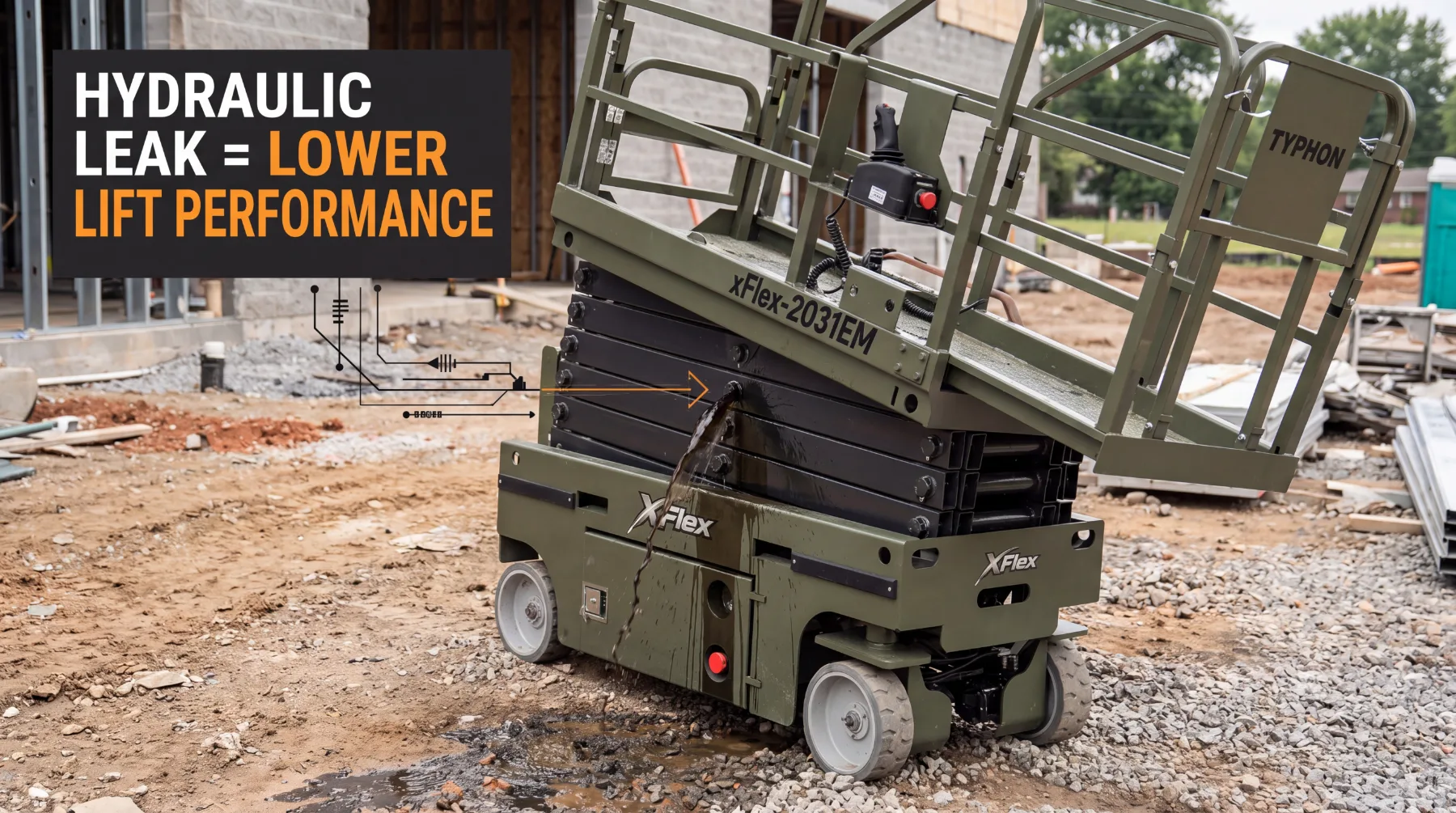
When a hose is damaged, the most immediate consequence is often a hydraulic leak, and leaks strike directly at how well the lift performs. A damaged hose allows pressurized fluid to escape rather than delivering it to the cylinders, which reduces the pressure and flow available to the lifting system. Since the whole system depends on that pressure and flow to raise the platform, any loss shows up in how the machine behaves.
The effects of a leak are easy to notice in daily operation. With less fluid reaching the cylinders at full pressure, the platform lifts more slowly than it should. Movement can become inconsistent, feeling uneven or hesitant rather than smooth. In more serious cases, the lift may struggle to maintain platform position, allowing unwanted drift when the platform should hold steady at height.
A leaking hose commonly produces these symptoms:
- Slower lifting as reduced flow and pressure limit the cylinders' output.
- Inconsistent movement that makes the platform feel uneven or unpredictable.
- Difficulty holding position when escaping fluid lets the platform drift.
Each of these symptoms undermines the reliability an operator counts on. A platform that lifts slowly stretches out every task and reduces productivity across a shift. Inconsistent movement makes precise positioning harder and erodes confidence in the machine. Trouble holding position is especially concerning, since a platform that will not stay put at height creates both a performance problem and a safety worry. Because leaks steadily drain the pressure the system needs, addressing a damaged hose promptly is the surest way to restore full lift performance. A machine with sound, leak-free hoses delivers the steady, dependable lifting that productive work at height demands.
The Effect of Hose Condition on Operator Safety
Beyond performance, hose condition carries a direct safety consequence, because a failed hydraulic hose can behave dangerously. When a hose gives way under pressure, it can cause a sudden loss of pressure in the lifting system, and that loss can produce unexpected platform movement. For a worker standing on an elevated platform, any abrupt or uncommanded movement is a serious hazard, which is why hose condition is so closely tied to safe operation.
The risk comes from how quickly a hose failure can change the situation. Unlike a slow leak that gradually reduces performance, a sudden rupture can release pressure rapidly. The lifting system that was steadily supporting the platform loses the fluid pressure holding it, and the platform may move without warning. An operator working at height relies on the platform staying exactly where it should, so an unexpected shift is exactly the kind of event that safe practice works to prevent.
Keeping the whole hydraulic connection sound is therefore an essential part of safe operation:
- Hoses must be free of the cracks, abrasion, and wear that lead to sudden failure.
- Fittings must be secure so connections do not loosen or separate under pressure.
- Connections throughout the system must be sealed and in good condition.
This is why hose maintenance is a safety matter, not just a performance one. Every hose, fitting, and connection in the lifting system plays a part in keeping the platform stable and under control. By keeping these components in good condition, you reduce the chance of a sudden failure that could put an operator at risk. A scissor lift with a well-maintained hydraulic system holds its platform securely and moves only when commanded, which is the foundation of confident, safe work at height.
When Hydraulic Hoses Should Be Inspected or Replaced
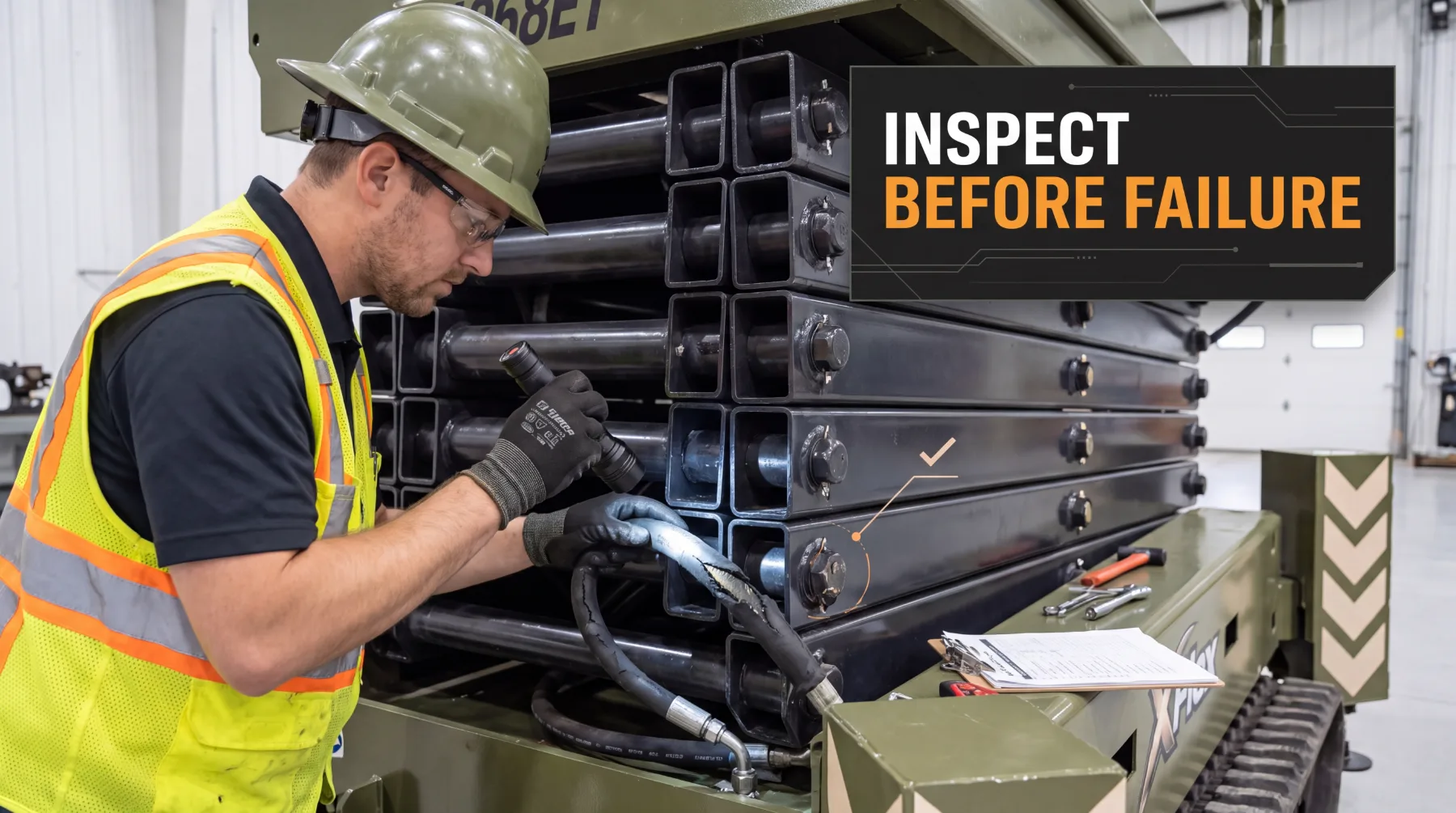
Knowing when to inspect and replace hydraulic hoses is what keeps the whole system dependable over time. Hoses should be checked regularly as part of routine maintenance, looking for the specific signs that indicate a hose is deteriorating. Catching these signs early, and replacing worn hoses before they fail, is the most reliable way to reduce unexpected downtime and keep the hydraulic system working as it should.
A thorough inspection covers several telltale conditions. Regular checks give you the chance to spot trouble while it is still minor, rather than discovering it when a hose fails mid-job.
Look for these warning signs during inspection:
- Leaks where fluid seeps or drips from the hose or its fittings.
- Swelling or blistering that shows the hose structure is breaking down internally.
- Kinks that restrict flow and stress the hose at the bend.
- Loose fittings that can leak or eventually separate under pressure.
- Visible damage such as cracks, cuts, and abrasion on the outer cover.
When any of these conditions appear, the sensible response is to replace the affected hose rather than wait and hope it holds. Replacing a worn hose on a planned basis is far less disruptive than dealing with a sudden failure that takes the machine out of service unexpectedly. A proactive replacement also protects against the performance and safety problems that a failing hose can cause.
Building hose inspection into a consistent maintenance routine pays off in reliability. By checking hoses on schedule and acting on what you find, you keep the hydraulic system in dependable condition and avoid the costly interruptions that come from an unplanned breakdown. A scissor lift whose hoses are inspected regularly and replaced before failure delivers the steady, trustworthy service that demanding work depends on.
Conclusion
Hydraulic hose condition sits at the heart of scissor lift reliability. The hoses carry pressurized fluid between the pump, valves, and cylinders, so their condition directly shapes how consistently the platform raises, lowers, and holds. Cracks and abrasion weaken hoses and invite leaks, and those leaks reduce pressure and flow until lifting turns slow, uneven, or unable to hold position. Most importantly, a failed hose can cause sudden pressure loss and unexpected platform movement, making hose care a genuine safety priority. Regular inspection for leaks, swelling, kinks, loose fittings, and visible damage, paired with timely replacement, keeps the whole system dependable. Check your hoses on a consistent schedule, and your scissor lift will reward you with safe, steady performance.
Frequently Asked Questions
1. Why are hydraulic hoses so important to a scissor lift's reliability?
Hydraulic hoses carry pressurized fluid between the pump, the control valves, and the lifting cylinders, connecting every part of the lifting system. The pump pressurizes the fluid, the valves direct it, and the cylinders turn that pressure into the force that raises the platform, but the hoses are what deliver the fluid where it needs to go. Because they form the link between these components, their condition directly affects how consistently the scissor mechanism raises and lowers the platform. Sound hoses carry fluid at full pressure and flow, so the platform lifts smoothly, holds position, and lowers under control. When hoses are in good condition, the machine responds the same way every time, which is the foundation of dependable operation.
2. What kinds of hose damage should I watch for?
The most common forms of deterioration are cracks, cuts, abrasion, and damaged outer layers. The outer cover of a hydraulic hose protects the reinforcement and inner tube that actually contain the pressurized fluid, so any damage to that cover exposes the vulnerable layers beneath. Cracks often develop from age, repeated flexing, or exposure to the elements. Cuts and abrasion appear where the hose rubs against structure or gets nicked during work. Blistered or swollen outer layers signal the hose is breaking down internally. Each of these weakens the hose and increases the risk of a leak or failure. Regular inspection lets you catch this deterioration early, so you can plan a replacement before a small problem becomes a breakdown.
3. How does a hydraulic leak affect how the scissor lift performs?
A damaged hose allows pressurized fluid to escape instead of delivering it to the cylinders, which reduces the pressure and flow available to the lifting system. Since the system depends on that pressure and flow to raise the platform, the loss shows up directly in how the machine behaves. You may notice slower lifting as the cylinders receive less than they need, inconsistent movement that feels uneven or hesitant, or difficulty maintaining platform position as escaping fluid lets the platform drift. Trouble holding position is especially concerning, since it is both a performance problem and a safety worry. Addressing a leaking hose promptly restores full pressure and flow, which brings back the steady, dependable lifting the machine is meant to deliver.
4. Why is hose condition a safety issue and not just a performance one?
A failed hydraulic hose can cause a sudden loss of pressure in the lifting system, and that loss can produce unexpected platform movement. For a worker standing on an elevated platform, any abrupt or uncommanded movement is a serious hazard. Unlike a slow leak that gradually reduces performance, a sudden rupture can release pressure rapidly, so the platform may shift without warning. An operator at height relies on the platform staying exactly where it should. This is why keeping hoses, fittings, and connections in good condition is essential for safe operation. Every part of the hydraulic connection plays a role in holding the platform stable, so maintaining them reduces the chance of a sudden failure that could put an operator at risk.
5. When should hydraulic hoses be inspected or replaced?
Hoses should be checked regularly as part of routine maintenance. During inspection, look for leaks where fluid seeps or drips, swelling or blistering that shows the hose is breaking down internally, kinks that restrict flow and stress the hose, loose fittings that can leak or separate under pressure, and visible damage such as cracks, cuts, and abrasion. When any of these conditions appear, replace the affected hose rather than waiting and hoping it holds. Replacing a worn hose on a planned basis is far less disruptive than dealing with a sudden failure that takes the machine out of service. Building hose inspection into a consistent routine keeps the hydraulic system dependable and helps you avoid costly, unexpected downtime.